Curabitur congue, purus ut tempor tincidunt, tortor orci ullamcorper nulla, sed fermentum erat velit ut turpis. Nam sed magna nec tellus ultrices sollicitudin. Nullam facilisis tincidunt mauris, at dignissim ante luctus et.
Cras varius gravida felis, ac egestas justo interdum at. Praesent mattis sem ut sapien tristique, at bibendum tellus ullamcorper.
Tree Survey
A tree survey is usually required as part of any estate management plan. The tree stock is inventoried, measured and mapped, including basic recommendations for tree surgery work or further detailed inspection.
AFA can design a survey to suit your needs, from a level 1 walkover, only recording defects that need to be addressed, to a full inventory with more detailed safety critical and proactive tree surgery work.
We can even offer live access to the digital survey data on our mapping platform to help track and prioritise ongoing tree surgery work to be carried out your own contractors. The possibilities are endless but it all starts with the data collecting survey from AFA consulting.
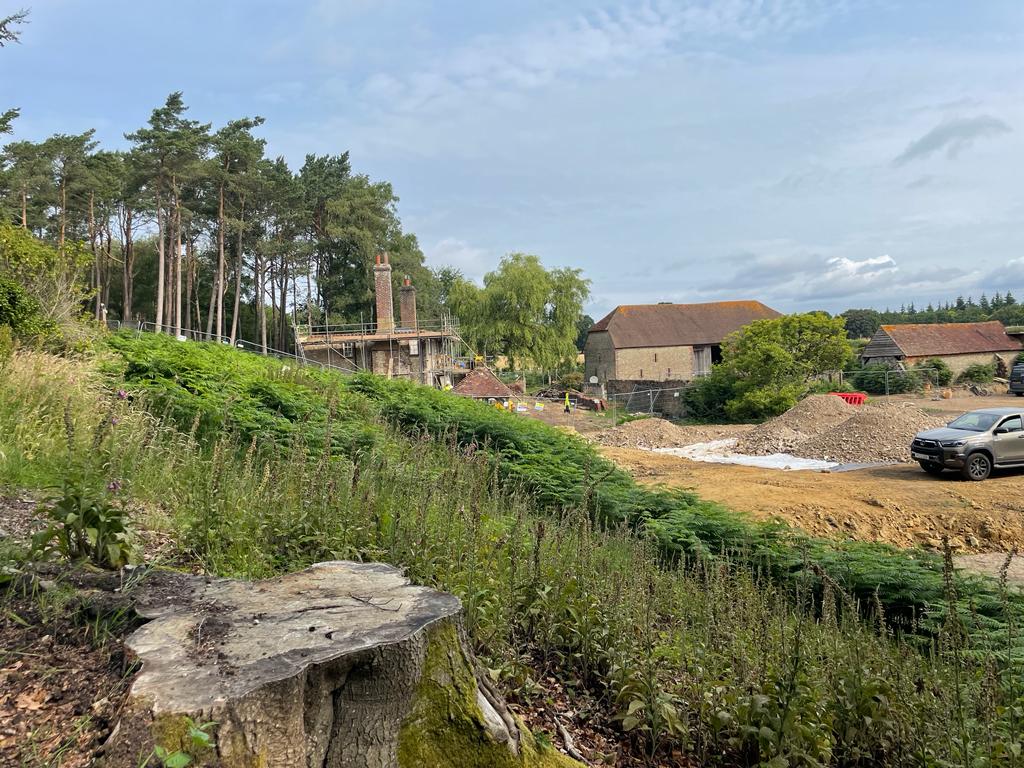
Full Feasability Study Services
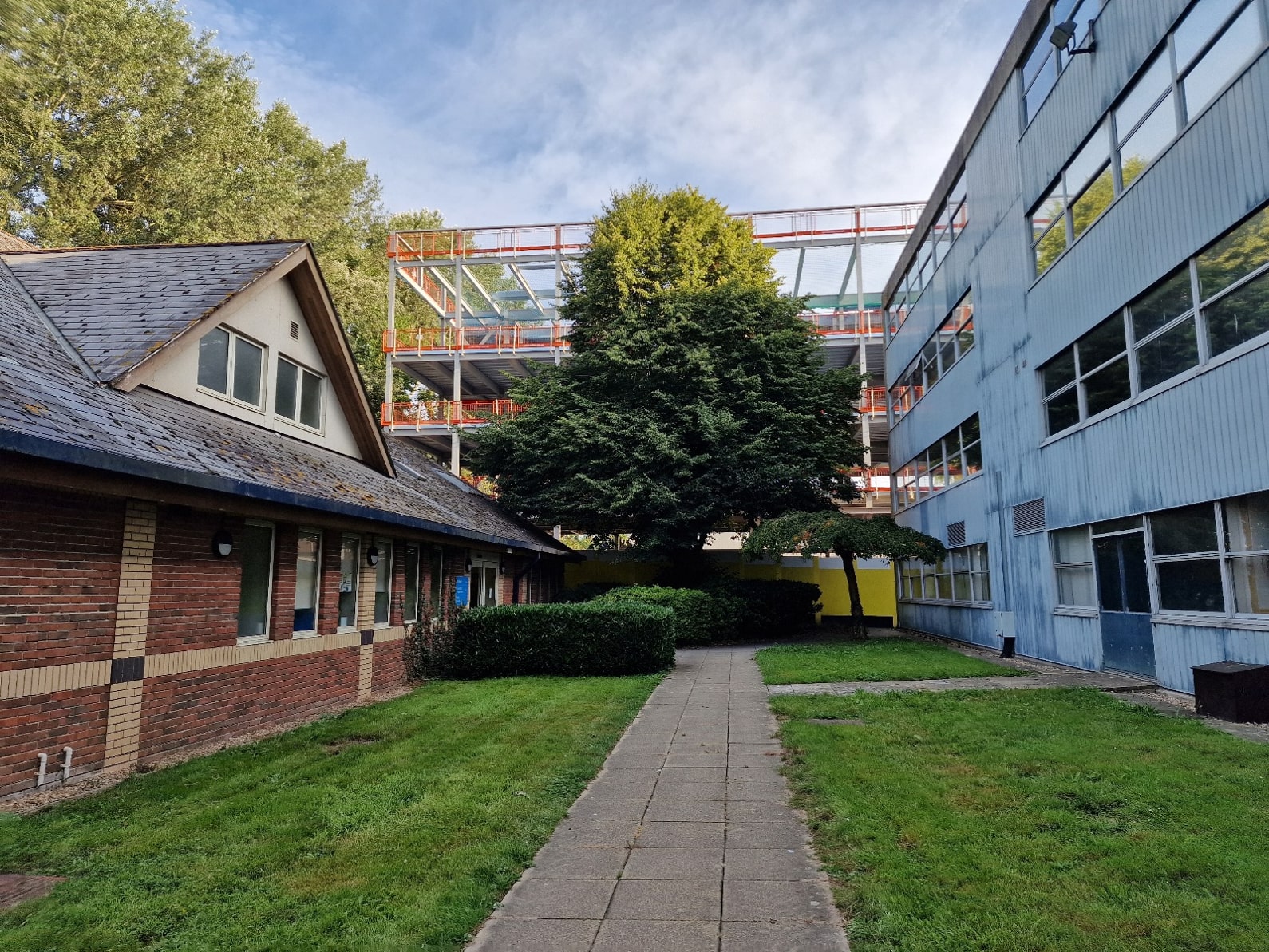
Assisting Planning Applications
Tree Inspection
Our detailed inspections fully investigate the health and best management of any tree. All of our inspectors are highly skilled and experienced, with as a minimum DipArb L4 and PTI (Professional Tree Inspector) qualifications. This is also true of our climbing inspectors.
Regular tree inspection is the best way to fully discharge your duty of care over your trees.
You will also find that a detailed tree inspection is required to support TPO Applications, Mortgage Reports and Insurance Reports.
Hazard Assessment
Tree owners have legal obligations under laws such as the Occupiers Liability Act 1984 and the Health and Safety at Work etc. Act 1974. To help homeowners, landowners and estate managers uphold these obligations, AFA provides tree safety reports, covering risk management and condition analysis, to ensure the trees in your care are not a health and safety hazard.
Our team is highly skilled in tree hazard identification. Following a visual survey of all trees on your site, noting both their physiological and structural condition, we will provide reliable, considered recommendations for maintaining your trees at a legally acceptable level of risk.
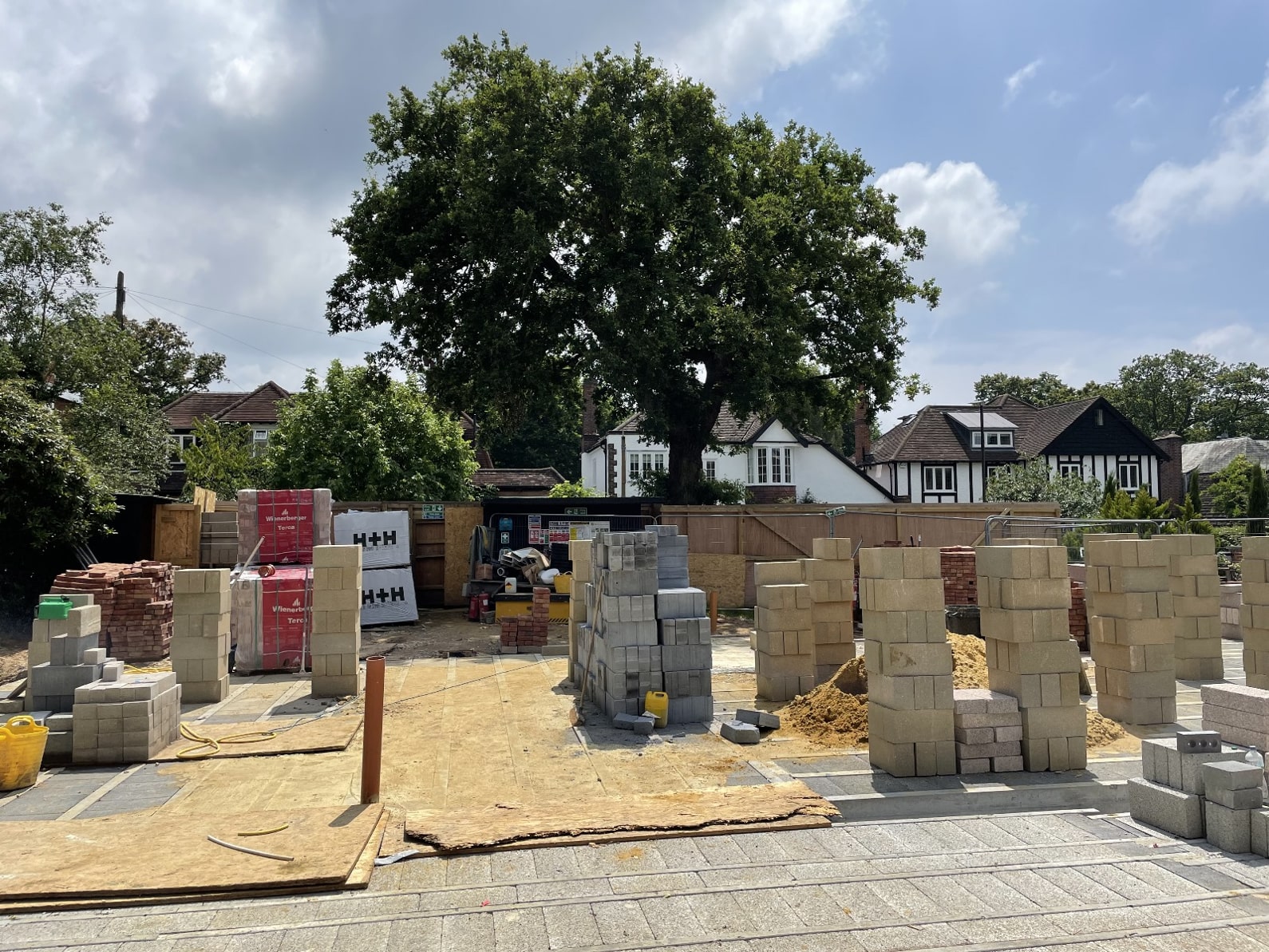
Planning Permision Support

Fully Mapped TCP
Tree Risk Management Strategy
AFA works with landowners in Cobham, Kingston, Richmond, Sunbury, Weybridge and all the surrounding areas to create bespoke tree strategies tailored to each site, considering aspects like land use, level of public access and level of risk.
Our tree strategies allow our customers to successfully manage the trees they are responsible for, taking into account the benefits and risks of trees in order to set long-term goals for increasing tree numbers, diversifying stock and protecting existing trees.
Tree strategies can go hand in hand with tree protection plans to help maximise tree retention and minimise tree risk after development.
Risk Zoning
The team at AFA Consulting helps create risk management zones by defining areas of land according to levels of pedestrian, vehicle or other use. By prioritising the most used, and thus highest risk, areas, we allow our clients to focus resources where they are most needed, resulting in a cost-effective approach to tree inspection.
Zoning considers all trees on the property and determines which are in areas of high public access as well as identifying those which could fall onto areas of public use or onto property, causing damage.
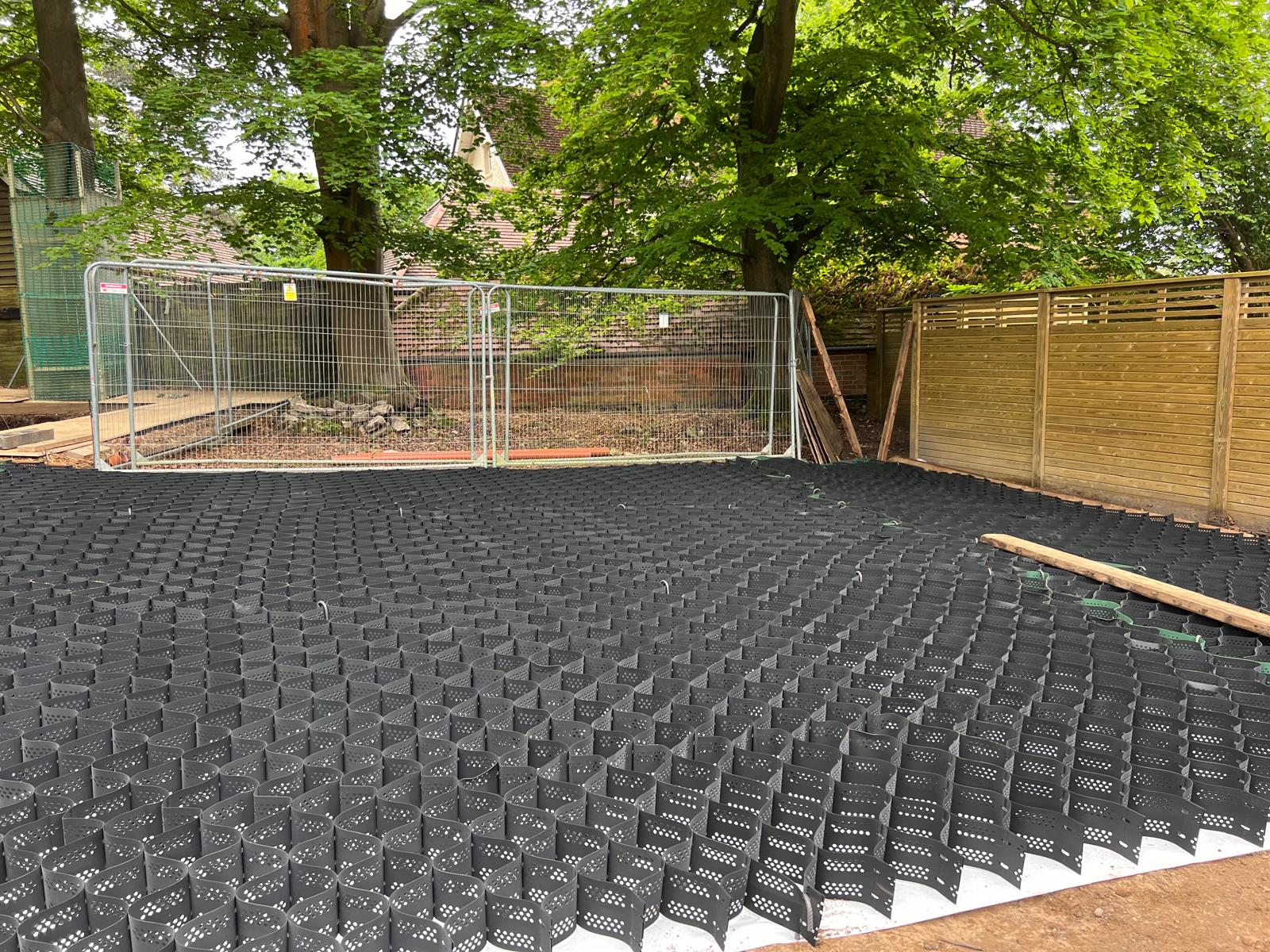
Assessments and Advice

Comprehensive AMS
QTRA
Using the QTRA system, we quantify the risk of tree failure causing significant harm, enabling our customers to balance tree safety with the benefits of trees. Using this method, land usage is the primary consideration, rather than tree condition, that will inform whether or not, and to what extent, a survey is required.
AFA will quantify the risk from tree failure as a probability, making it possible for our customers to manage risks in line with risk tolerance levels which are widely applied and internationally recognised.
Tree Protection Plan (TPP)
A Tree Protection Plan is always produced as part of an Arboricultural Method Statement as it is a required part of an Arboricultural Report for planning.
A TPP is a map of the development showing all the proposed building work, required tree surgery work and any protective measures that may be needed, like fencing or ground protection.

Full TPP
Ash Dieback disease isn’t notifiable (you are not obliged by law to report it). However, it is reportable to the Forestry Commission who use reports of the disease to monitor its spread. Extra care must be taken when undertaking any tree surgery.
Confirming the presence of Ash Dieback Disease is best done from June to early September. This helps to rule out other causes of dieback that can show similar symptoms to the disease.
Your structural engineer will design your foundations using information that we can provide after a tree survey. We record the relevant data on site, make water demand calculations based on species and provide a Zone Of Influence plan to identify which trees may require your foundations to be designed stronger
A home insurance provider may deem any tree both on or adjacent to a property as a potential threat and require that they be inspected on a regular basis by a competent professional tree inspector.
All trees have a life long relationship with fungus. Some fungi will lead to internal decay and others will not. Most of this is hidden from view and can be difficult to assess or manage without specialist equipment.
Advanced decay detection, also known as internal investigation, involves specialized techniques to assess the internal condition of trees. These methods are crucial for identifying hidden defects such as internal decay, cavities, and structural weaknesses that are not visible through external inspection.
This will depend on many factors including the species, target area, significance of internal decay and statutory protection status.
Contact one of the team at AFA Consulting and we can provide guidance.
An aerial (climbing) inspection is very useful for identifying potential hazards within the canopy which can’t always be seen from ground level.
A Tree Survey is a professional assessment conducted by qualified arboriculturists to evaluate the health, stability, and structural integrity of a tree or trees. This survey aims to identify potential hazards posed by trees to people, property, and infrastructure, ensuring compliance with legal obligations.
As a landowner, you have a legal duty of care to ensure that the trees on your property do not pose a risk to people, property, or the environment. This responsibility is grounded in both common law and statutory legislation.
This depends largely on the target area. We recommend having your trees inspected annually.
There is no such thing as a safe tree!
Only if consent is sought from the Local Planning Authority or it qualifies as an exemption.
A TPO (Tree Preservation Order) is a legal mechanism in the UK that protects specific trees, groups of trees, or woodlands from deliberate damage or destruction. Implemented by local planning authorities, TPOs aim to preserve trees that contribute significantly to the local environment and public enjoyment
Yes, if your tree is covered by a Tree Preservation Order (TPO), you generally must obtain permission from your local planning authority (LPA) before carrying out any work, including pruning, felling, or other alterations. This applies to all trees protected by a TPO, regardless of whether they are on your property or elsewhere.
An Arboricultural Report is comprised of a BS5837 Tree Survey, Arboricultural Impact Assessment (AIA), Arboricultural Method Statement (AMS) & Tree Protection Plan (TPP). The report is required to appraise any perceived impact upon retained trees and to provide a methodology to ensure the protection of retained trees throughout the development.
An Arboricultural Report will be required if there are any retained trees within an impacting distance of the development proposal, regardless of whether there are Tree Preservation Orders present.
Most Local Planning Authorities have an Interactive Planning Map on their website where this can be checked. If they don’t then they will usually provide the information over the telephone.