We are professional members of the Arboricultural Association, hold numerous industry qualifications and possess a unique set of skills. These include an exceptional understanding of architecture, construction and planning. With these attributes, we are proud to offer a wide range of professional arboricultural services in line with BS5837, such as full arboricultural reports for planning including Arboricultural Method Statements.
To help you achive planning permission, AFA can provide comprehensive solutions, including Tree Constraints Plans, Tree Protection Plans and various other arboricultural services that fall under our planning and design expertise.
Feasibility Study
The first step to making your dream home a reality can be a feasibility study. If you’re not sure whether trees in your garden or near your property are going to affect your development, or you’re looking for advice about what can be achieved on your site, a feasibility study will set you on the right path.
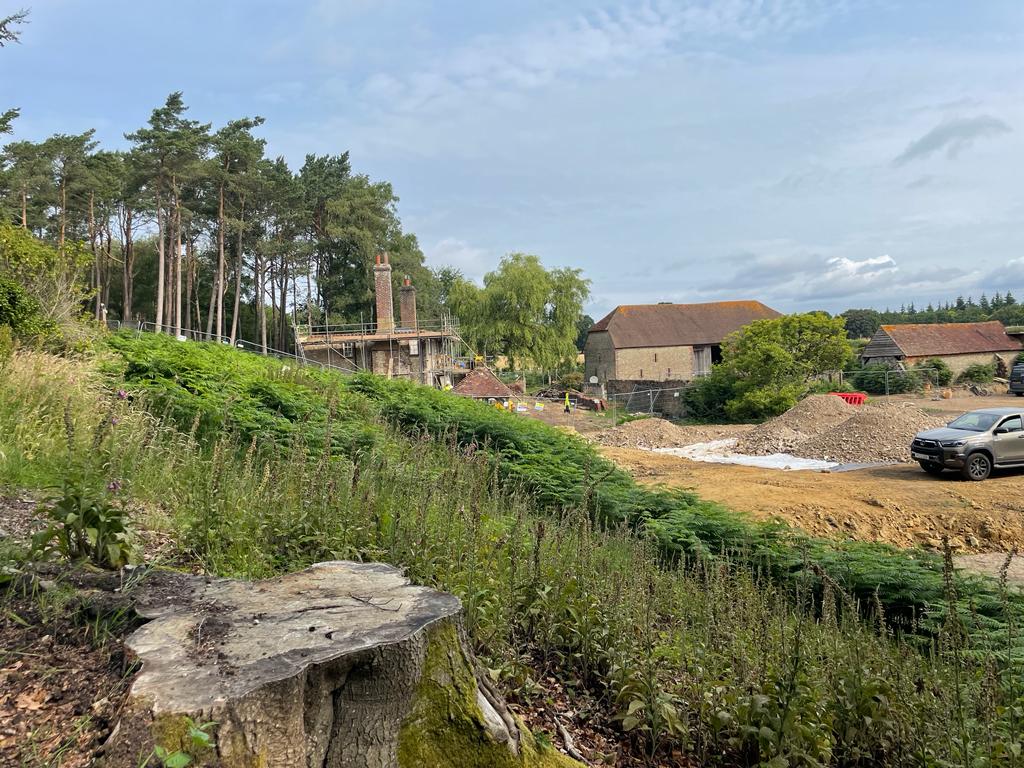
We always recommend having a feasibility study before purchasing land or starting a new development project. To avoid disappointment later, this can be particularly useful with wooded sites or where Tree Preservation Orders are in place.
At AFA we can provide feasibility studies to determine the likelihood of planning permission being granted and to aid your decision making.
Full Feasability Study Services
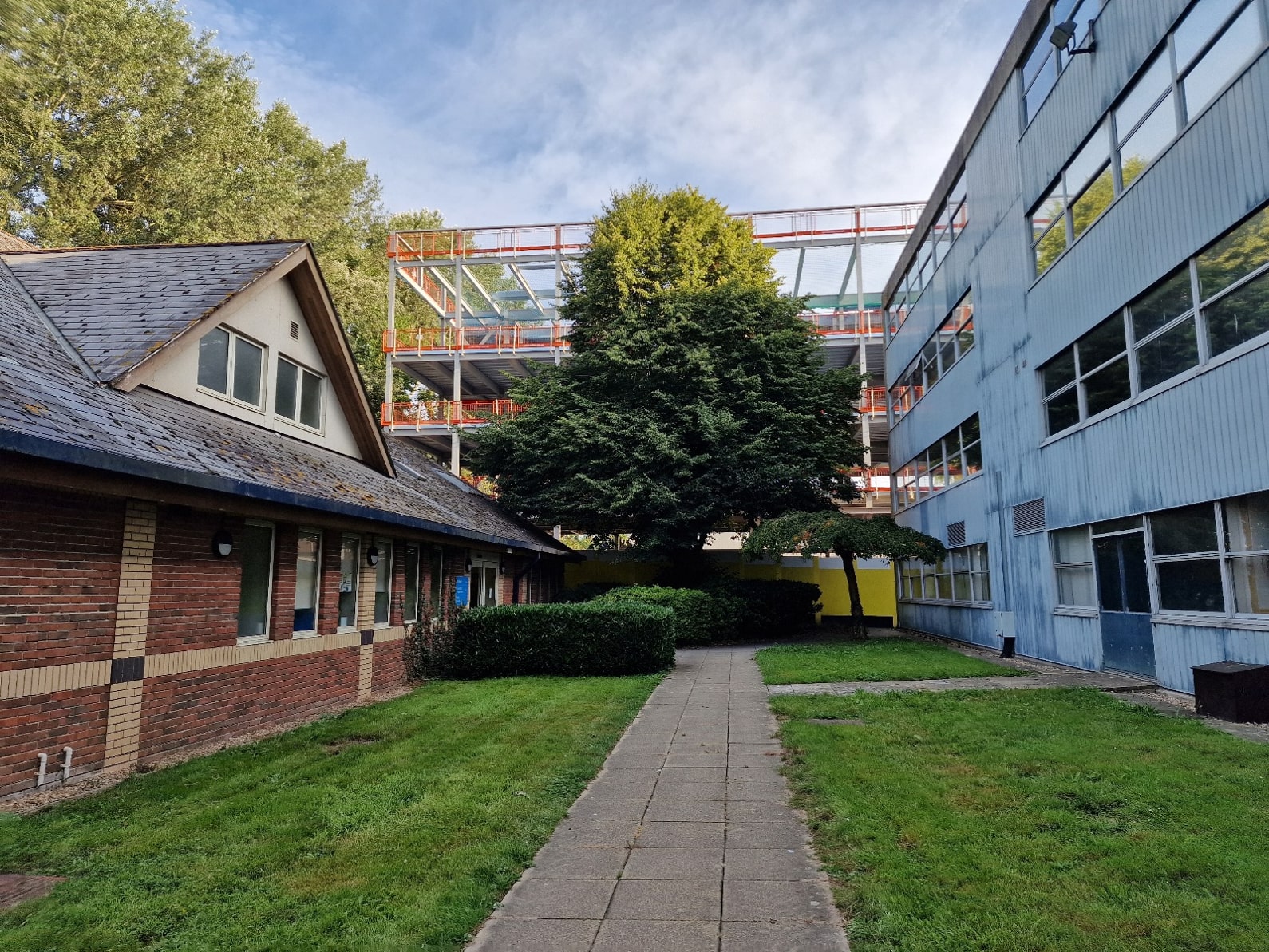
Assisting Planning Applications
Arboricultural Report for Planning Application
An arboricultural report for a planning application is usually required when you develop land that has trees on it or nearby to it. If there are any protected trees (TPO or Conservation Area) on or near your site, you are always required to provide an Arboricultural Report.
An Arboricultural Report will adhere to the British Standard BS5837: Trees in relation to design, demolition and construction – Recommendations (2012). It must be informed by a BS5837 Tree Survey and include the following: Tree Constraints Plan (TCP) Arboricultural Impact Assessment (AIA) Arboricultural Method Statement (AMS) & a Tree Protection Plan (TPP) We can combine these into one complete document for you and liaise with your project manager or architect to help you get the best results for your application and your trees.
BS5837 Tree Survey for Planning
A BS5837 Tree Survey is required to measure the trees and assess their impact on any development. The data we collect will allow us to create a Tree Constraints Plan, which you might need for a planning application.
We record tree sizes, including heights which we measure accurately with laser surveying equipment, and we also categorise all the trees in accordance with the British Standard BS5837: Trees in relation to design, demolition and construction – Recommendations (2012).
(TCP) A Tree Constraints Plan is a map of your site, produced using the data we collect from our BS5837 Tree Survey. It shows the location of all of the relevant trees and any buildings or hard landscaping.
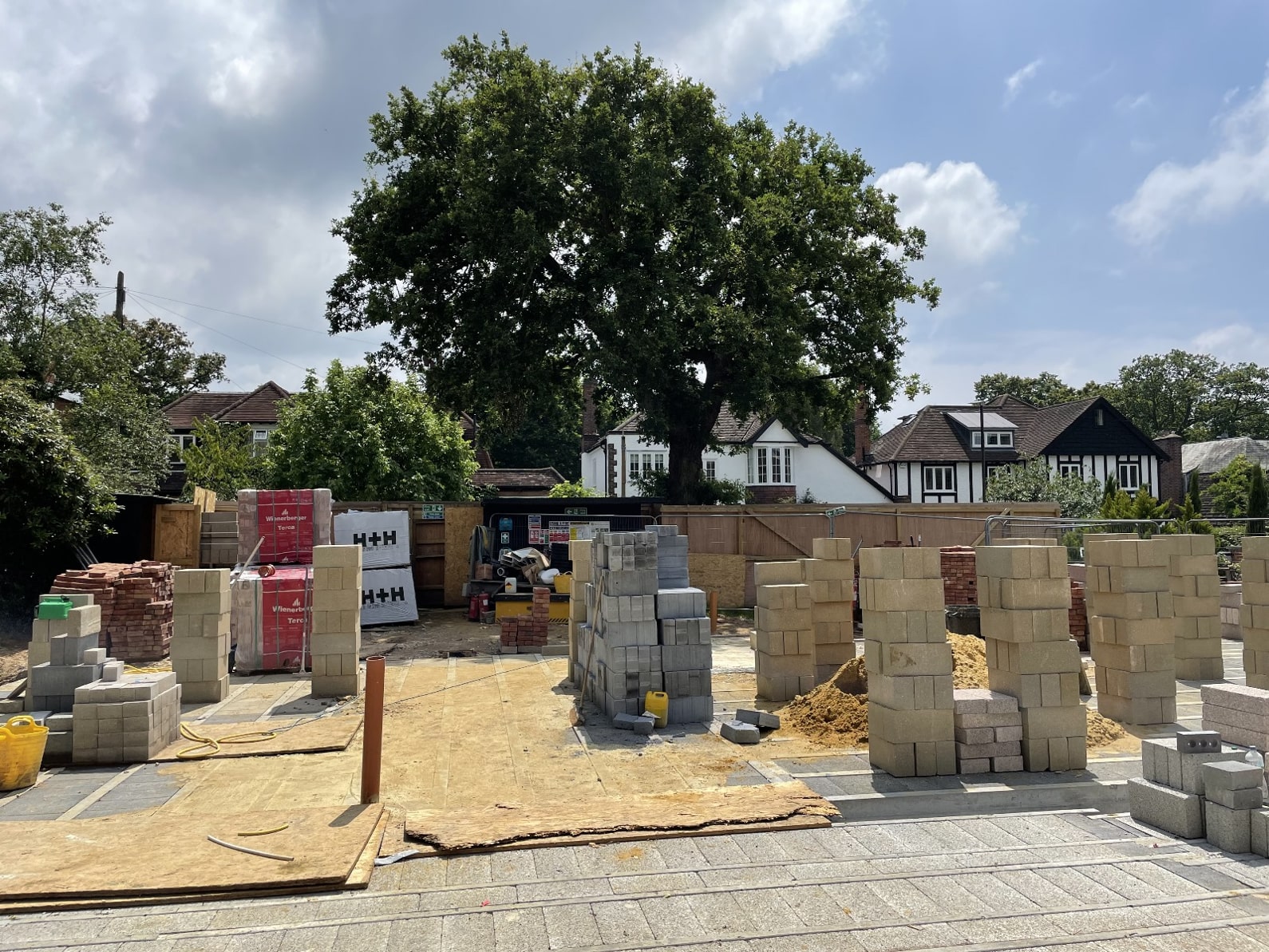
Planning Permision Support

Fully Mapped TCP
Tree Constraints Plan (TCP)
We provide this map digitally for your architects to plan their design or to check that the existing design does not present too many conflicts with trees.
We always offer our Tree Constraints Plans with professional advice on how best to utilise the site and achieve a successful planning application.
Arboricultural Impact Assessment (AIA)
Sometimes trees need to be cut down as part of a development, and this document looks at what the effect will be. Your local authority will consider this when deciding whether or not to grant planning permission.
We advise on which trees could or should not be removed or reduced and make recommendations that will provide an acceptable or positive impact, maximising your chances of planning success.
Assessments and Advice

Comprehensive AMS
Arboricultural Method Statement (AMS)
An Arboricultural Method Statement always includes a Tree Protection Plan, and both are a required part of an Arboricultural Report for planning.
Trees need to be protected during the building process whenever there is development near them. The AMS describes how you can safely carry out your proposed development without damaging any of the retained trees or their roots.
Tree Protection Plan (TPP)
A Tree Protection Plan is always produced as part of an Arboricultural Method Statement as it is a required part of an Arboricultural Report for planning.
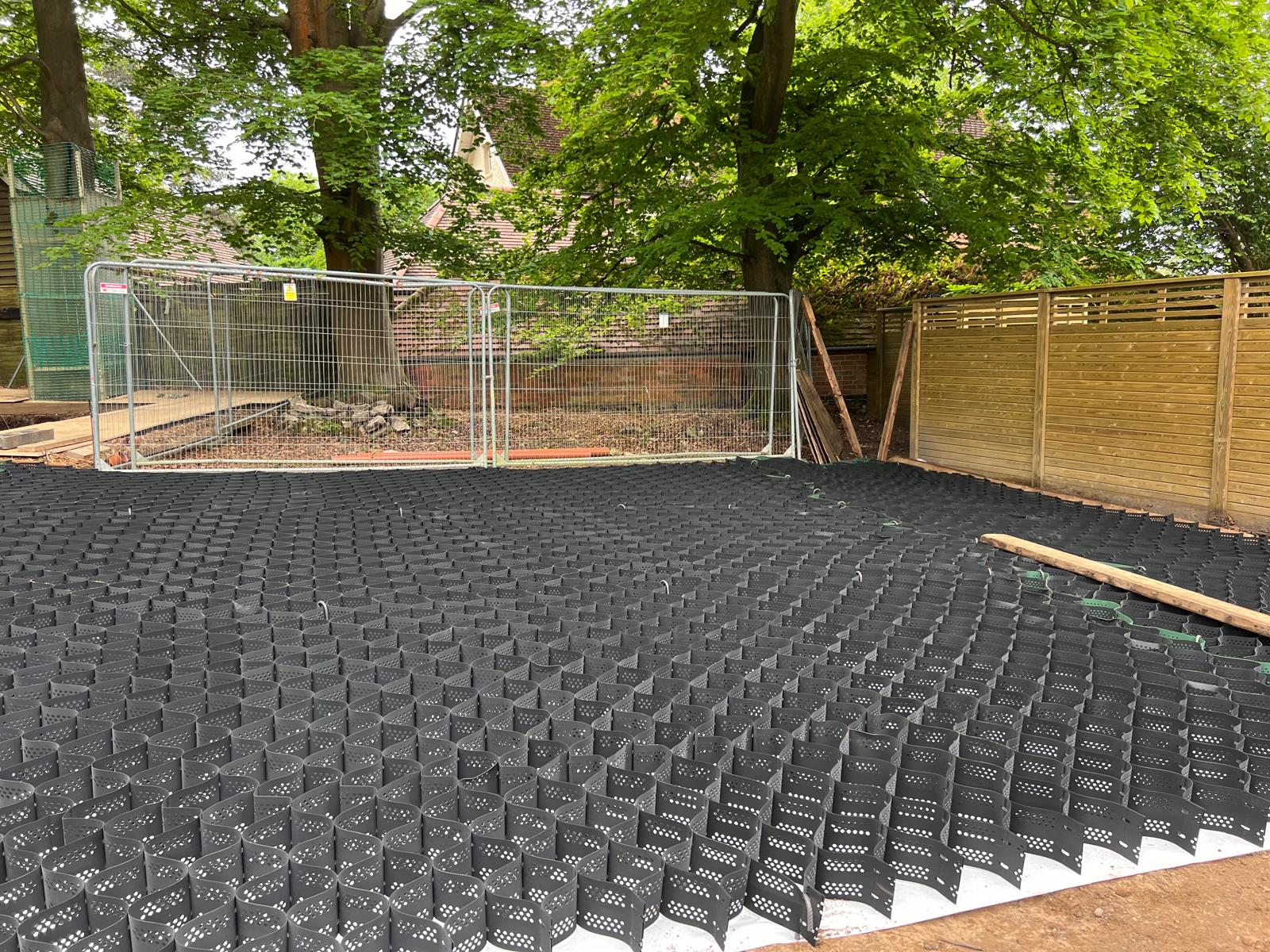
A TPP is a map of the development showing all the proposed building work, required tree surgery work and any protective measures that may be needed, like fencing or ground protection.

Full TPP
Frequently Asked Questions
A TPO (Tree Preservation Order) is a legal mechanism in the UK that protects specific trees, groups of trees, or woodlands from deliberate damage or destruction. Implemented by local planning authorities, TPOs aim to preserve trees that contribute significantly to the local environment and public enjoyment
Yes, if your tree is covered by a Tree Preservation Order (TPO), you generally must obtain permission from your local planning authority (LPA) before carrying out any work, including pruning, felling, or other alterations. This applies to all trees protected by a TPO, regardless of whether they are on your property or elsewhere.
An Arboricultural Report is comprised of a BS5837 Tree Survey, Arboricultural Impact Assessment (AIA), Arboricultural Method Statement (AMS) & Tree Protection Plan (TPP). The report is required to appraise any perceived impact upon retained trees and to provide a methodology to ensure the protection of retained trees throughout the development.
An Arboricultural Report will be required if there are any retained trees within an impacting distance of the development proposal, regardless of whether there are Tree Preservation Orders present.
Most Local Planning Authorities have an Interactive Planning Map on their website where this can be checked. If they don’t then they will usually provide the information over the telephone.